wit wisdom & food

connecting with food

  • home
  • & food
    • recipes
  • & running
  • & gardening
  • & life
  • & travel
  • & politics
  • about

feeding kids peas

April 20, 2018 by anne Leave a Comment

feeding kids peas

About Peas

When you hear do you like peas? do you immediately think of frozen or canned peas mushed up and soggy on the plate? Do you forget about snap peas and snow peas that end up in a stir-fry? There are so many kinds of peas that a blanket statement of my kid hates peas might not be accurate.

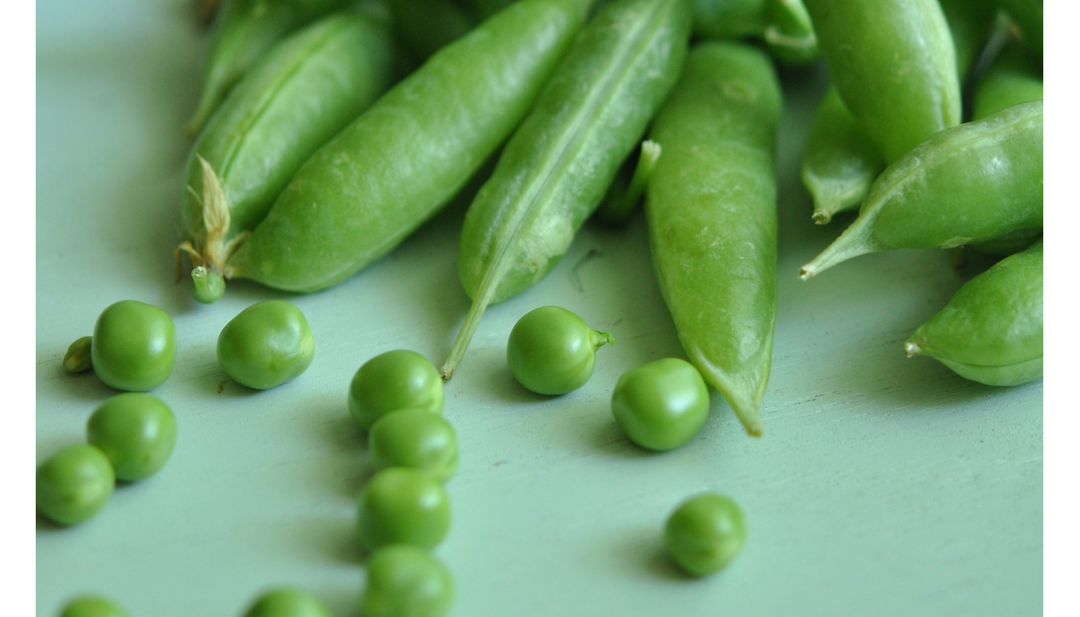
So what are the differences between all the peas? The gist is there are garden peas, snow peas and snap peas. Snap peas are a cross between the snow and garden. Garden peas, you shell them and only eat the sweet round pearls inside. Snow peas have tiny unformed pearls and you eat the entire pod. Because snow peas are so thin they work well in a quick cooking stir-fry. Snap peas are my favorite and you eat the entire pod in one wonderful bite!

About buying and cooking peas

With such a variety of peas, there are all kinds of possibilities to get your kids to eat and enjoy peas. I would personally never touch canned peas. They tend to be overcooked and without flavor. No one will probably like those. Frozen peas are an easy staple in the fridge and easy to steam. Adding herbs, garlic or some lemon will give them a little more interest than just plain old peas. To get fresh peas to shell yourself the best bet is to grow your own or get to the farmers market early in the spring. Sugar snap and snow peas are usually in the produce section year-round at your grocery store. They do grow better during the cooler parts of the year so depending on where you live that will be the best time to get them fresh at your farmers market.

feeding kids peas

Feeding kids peas through the years

6 months - 1 years

  • pea puree
  • pea puree with mint
  • pea puree with basil

2 years - 5 years

  • pea hummus
  • snap peas dipped in sauces - peanut sauce - yogurt dill dip
6 years - until you stop cooking their food

  • fresh cooked peas with mint
  • veggie stir fry with snow peas

Filed Under: food, ingredients, parenthood Tagged With: feeding kids, peas

Friday night pizza night

March 15, 2018 by anne Leave a Comment

Friday night pizza night

When I sit down to write out the meal plan I usually come down with a rough case of writer’s block. I have tons of recipes, but for some reason, they escape me and I end up struggling to come up with ideas. One of the ways I am now combating that is the addition of Friday night pizza night. Everyone loves pizza. Well at least everyone in this house loves pizza. So tossing in an easy to plan, easy to execute pizza night is a big win for the week. We don’t do pizza night every Friday, but I keep it with taco Tuesday in my back pocket just in case I get the menu planning blues.

Making your own dough

Pizza dough is one of the easier yeast doughs to make. It also freezes very well so you can make enough for a few Friday meals and thaw just a few hours before dinner or overnight in the fridge. I use a recipe my dad found in the New York Times Cooking section, but any dough will work the same way.

Pro tip: There are two kinds of yeast; active dry and instant (some times referred to as Rapid Rise.) They don’t work the same way so be sure to use what the recipe mentions.

Quick toppings

One of the toughest parts about pizza night, especially if you have a large or picky family, is that everyone wants something different on their pizza. My idea of an easy affordable meal night isn’t 20 ingredients, an hour of prep, and a massive cleanup undertaking. So I scoped out the best salad bar in town and head there to get all the toppings for the family. While you are there grab some shredded mozzarella and a jar of pizza sauce, cause *gasp* I don’t make my own. That is it. Dinner has practically made itself. And if your kids are old enough they can make their own while you enjoy your beverage of choice.

Affordable personal pizza pans

The recipe we use makes a 10-inch pizza and I could certainly form that on a cookie sheet. Where is the fun in that though? Having your own personal pizza slide out of the oven just for you on a round metal pan just seems more satisfying. I got ours at a restaurant supply store for only a couple of dollars a piece. They aren’t fancy. They do, however, hold up to frequent use, being put in the dishwasher, and still make tasty pizza. Most restaurant supply stores are open to the public. If you have never checked it out I highly recommend a trip. While it isn’t the high-quality stuff that the food network chefs rave about it is the stuff they use to cook with at their restaurants. Sure that ladle and spoon look fancy on tv, but that isn’t what a restaurant kitchen can afford. Plus kitchen grade equipment will probably withstand anything you through at it. It is built to last a lot more meals than even you cook in your kitchen.

Filed Under: featured, food

check your dates

January 8, 2018 by anne Leave a Comment

check your dates

It is the second week of the new year and many of you have resolved to eat better which naturally includes vegetables. The rest of you have been eating vegetable all year and it’s just business as usual. Maybe you have a different resolution this year. Regardless, you are all headed for the exact same area of the grocery store.

Some things happen like clockwork. The clock strikes midnight on December 31st and people wake up the next morning resolving for all kinds of resolutions. What never ever seems to happen like clockwork though is the grocery store staff remembering to purchase enough veggies for the onslaught of new veggie customers or to staff enough people to keep the shelves full. ! I don’t know why this is the case year in and year out but there you have it. Produce shopping is a bitch right after the new year and for a good week after. This one miscalculation can take weeks to resolve and can cost you some hard-earned cash if you aren’t careful.

Why you need to check the dates on your produce after New Years

Here is the normal play-by-play and why it matters to you. Grocery clerks miscalculate and order too little. After all, it is perishable product and you don’t want it to go to waste. They grossly underestimate demand even after looking at last years data. This is because last year they didn’t order enough either so when it says we sold 60 broccoli that is what they sold, but it doesn’t usually tell them they sold out at noon and could have sold 3 times as much. So when the shelves run bare the grocery clerk overcompensates and orders tons of produce to fill the shelves and to have enough to sell these new ravenous veggie buyers.

Now on to how this costs you money. Now that there is too much produce you have cases of lettuce sitting in the backroom waiting to get to the floor. It takes longer for it to get to the floor and that means when you get it home you have less time to eat it. If you are used to having 5 days to eat the kale before that handy stamped suggested date you may only have 2-3 this time of year and it might just go bad in your fridge. So be sure to look at those dates. If you need longer reach for the back and get the best date possible.

Biggest items to watch for short dates after New Years

The bagged lettuce will probably be the biggest culprit. Though anything that comes in a package is just as likely to have a short shelf life so beware of those items. The other produce won’t be as easy since it is loose and doesn’t have a date. Look for items that look fresh, not wilted or shriveled up and dehydrated. Any fruit or veggie that feels heavy for its size is usually a good bet because you know it hasn’t lost all its water.

Key holidays that impact shelf life

New Years isn’t the only holiday to watch out for date issues. Though the others are for different reasons. At certain holidays stores start building suggestive displays weeks before the event to get you in the mood for what you are going to make. Which happens to usually be the same thing EVERYONE else is making for the holiday. This means that those berries for Memorial Day and 4th of July may have been in the store for a while. Don’t grab them and drop them in your basket without a good once over. If you want the freshest produce for the holiday events try getting it from a local farmer if it is in season and regional to your area. Below are some of the other holidays and events and which items to keep an eye on.

Super Bowl

The most avocados are purchased for Super Bowl Sunday. Not Cinco de Mayo, but a football game. While it is easy to know if your avocado is too ripe after the big game, you want to look for unripe avocados that will ripen at your house before you want to make your famous guac recipe. Not all stores will plan ahead and order their avocados to ripen just in time for the big game so plan ahead on this one can ripen them at home.

*Pro Tip: When they get to that perfect ripeness put them in the fridge and you will have a few days before you have to use them

Memorial Day, July 4th

Most purchased and most likely to have problems going bad too fast are berries. All kinds. Most stores will display the berries outside of refrigeration so they can make bigger displays. Just a few hours outside of the fridge can cut the shelf life of berries by DAYS! Try to buy the ones in the fridge.

Thanksgiving & Christmas

There isn’t a lot of variation on the most popular produce items for both of these holidays. There is also one dairy item to keep an eye out for, heavy whipping cream, potatoes, greens, mushrooms, onions, celery, and carrots are the largest orders that will be put in leading up to the holiday that will have the greatest chance of spoiling.


Filed Under: featured, food

starting to meal plan

September 25, 2017 by anne Leave a Comment

starting to meal plan

Starting to meal plan can feel daunting if you have been handling dinners in any other manner for years. There are simple ways to make the process easier, more attainable, and enjoyable. All of that creates a habit you are likely to stay with instead of ditching after a frustrating and time-consuming week or two.

starting to meal plan Easy steps for a meal planning habit that will save you time & money

This process is the number one action that has saved us the most money when we started to pay attention to such things. We were slow to responsible money habits and I hate creating routines that I then feel pressured to keep up with, for more examples we could talk about cleaning and exercising! This habit kept me on top of what I spend at the grocery and the results were so impressive I couldn’t ignore them. It hasn’t just saved us money. We have also dramatically reduced the amount of food that we waste.

The routine has also encouraged me to plan an easy dinner night, making for at least one night that I don’t head to the kitchen kicking and screaming. As a person always certain there is something more interesting going on when it is time for chores and responsibilities I had to come up with a few ideas to me stick to this. My top three things to make planning & cooking less stressful and take up less of my week are a tradition night, leftovers, and a small collection of seasonal recipes.

build in tradition night

Why over think every night? We have added in taco Tuesdays and Friday pizza nights. The tacos vary every week. Some weeks are easy and some weeks are complex Rick Bayless recipes, but it helps me narrow down what I am looking for while making the meal plan on Sunday morning. Pizza night keeps it really simple. I make multiple batches of pizza dough and then freeze them so they are ready to be pulled out of the freezer to thaw before dinner. Then everyone gets to make their own and dinner is ready in 20 minutes.

Pro tip: stop by the store and pick up the topping at the salad bar. It saves time and reduces waste even if it doesn’t save money.

build in a leftover night

Luckily, my husband and I don’t mind eating the same meal two nights in a row. So making a tray of lasagna or a roast chicken that makes lots of leftovers makes for an easy dinner the second night. This frees me up to some of those, assuredly, more exciting things I think I am missing on other nights. That usually equals spend time hanging out with Tom & Olive instead of standing in the kitchen cooking.

Build a collection of recipes

Building a collection of recipes that you want to cook from on a regular basis can help you cut down the time it takes to meal plan. I own a nice collection of cookbooks, have a pile of recipes handed down from my parents, and a decent Pinterest habit. This adds up to overwhelm when I sit down to meal plan. I created two binders that have recipes and an index of my favorites from cookbooks. One binder is for spring and summer and the other is fall and winter. This way it is more likely that what I am looking at will be in season and will match the weather.

When you are ready to start planning for the week

Untitled designGrab your collection of recipes

Gather whatever resources you use for recipes. Have them all in arms reach so creating the grocery list will be easier.

Pull out your trusty meal planning sheet
(or plain boring paper)

If you don’t have a special sheet for meal planning yet you can download the one I created by signing up for my mailing list or just use a regular piece of paper.

Check the weather

You don’t want to plan the BBQ when it is going to rain and you don’t want to be slaving over the stove is you have not AC and it is going to be 90 degrees outside!

Check the calendar

Got a special date night that is going to keep you out of the kitchen? Got a late meeting leaving the husband to feed the kids.

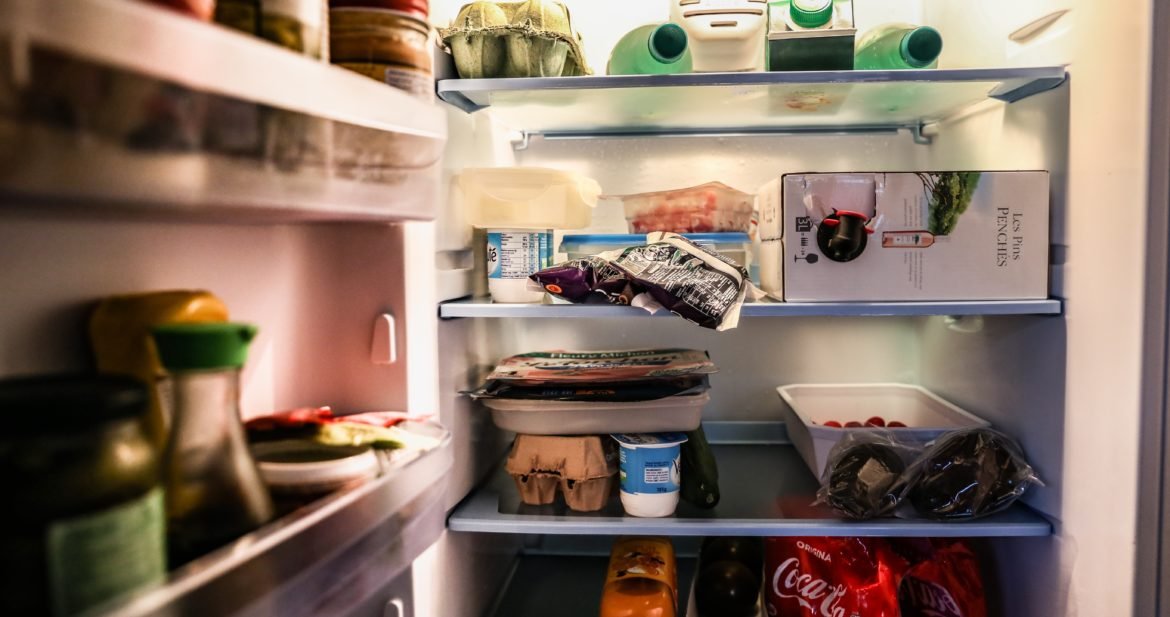
Look in the fridge & pantry

This a good chance to make sure you are using the things your already purchased and get a good sense of what you will need to pick up at the store to restock the pantry.

Pick the meals

This part always takes me the longest. It is part of the reason I have theme nights built in to make my decisions easier.

Write the grocery list

I divide my list into the areas of the store making it much less likely for me to forget something or have to spend time backtracking through the store for missed items.

Check the fridge & pantry for items you already have on hand

Save money and food and check the pantry and fridge one more time for items you don’t need to purchase.

Head to the store

And you are off. Now stick to that list and see if you can also stick to your hopeful budget.

Filed Under: featured, meal planning

don’t believe the hype

July 6, 2017 by anne 1 Comment

don’t believe the hype

Unless your package is white with only a big black font that tells you what is in the box, the products you are picking up at the store are talking to you. Whether you realize it or not you are probably listening. With messages like low in fat, high in Omega-3’s, high in fiber, and heart healthy it can be tough to ignore.

From the time companies realized that we are easily swayed by statements on a box or bag they have been adjusting accordingly with what they value-added statements. Anything that they can add to a box that will make you buy it is fair game to them. Most shoppers believe, somewhat incorrectly, that it has to be true for them to put it on the packaging. While there are guidelines they are less in your favor than you think and can sometimes be so loose that they are easily manipulated and exploited.

the packaging on your food is swindling you

Marketers have learned that you want to live longer, be happier, and make sure you provide the same for your family. Really not a leap there as it is just a basic desire of all humans that we want those good feelings. The food marketers and big business have used this as a way to get you to plunk down your hard-earned cash on their products by convincing you that their product is part of a healthy diet. Think about cereal. You might believe Cheerios are a good source of fiber and whole grains. Maybe you would even pick that as your cereal of choice, but if you can instead get a fruity sugary cereal that also says “made with whole grains” which one are you picking up? That probably depends on how much you know about whole grains and how big your sweet tooth is.

Beyond just the front of the package, the nutrition label might also be created in an effort to fool you. Check out the nutrition panel and the calories, fat, sodium, and sugar all seem reasonable. You think great I would buy this. But did you look at the serving size? It is a trick a lot of manufacturers use. Pick up a prepared sandwich or a frozen burrito at Trader Joe’s and the sodium content probably already strikes you as high. Then you realize that little burrito is 2 servings! No one eats only half the burrito so you are getting double the sodium. That could be your entire daily allowance of sodium. It is good to learn some of the common tricks food manufacturers employ.

truth in advertising

Before a statement can go on a food package the statement has to be approved by the FDA which has a set of guidelines to help the food industry. Those guidelines are sometimes loose and may not mean what you think they mean. Let’s start with “Natural”. You find this on lots of things and some may make sense. But did you know when you see it on chicken it might mean that the chicken has been injected with a salt water solution to make it juicier? It also makes it weigh more which makes it cost you more. It may or may not mean that the chicken in antibiotic free. Consumer Reports looked at a variety of products a year ago and the ingredients they found in “natural” products was surprising.

food studies are inherently flawed

All the food studies that come out and are referenced in articles are inherently flawed for a few main reasons

  • every human body is different and acts accordingly
  • you can’t control for the other foods eaten over month/year-long studies
  • nutrients don’t work in a vacuum they need other nutrients and processes to work properly
  • some studies are sponsored by food manufacturers and reveal a strong bias

That being said, food studies are important and have led to some great breakthroughs in science. But because of these reasons, believing the clever value added statements on that box of blueberry fruit bars might not get you the results were hoping for. Sure blueberries are high in antioxidants and yes there are enough studies to know that antioxidants are good for us. But when you read the label on the box and the first ingredient is sugar and the third ingredient is blueberries it is tough to know how many antioxidants you are really getting from those bars. Same story for fruit juice, if water and sugar are the top two ingredients just grab a handful of fruit and a glass of water.

now what?

A ton of information up there and if you didn’t know about the lies your food packaging is telling you it can seem rather daunting. Here are 5 tips to help you avoid foods that claim to be healthy, but add a lot of unwanted calories to your diet.

  • Even if it says “sugar-free” a cookies and other sweets aren’t part of a healthy diet
  • Fruit juice can be loaded with sugars, even the ones that say “no sugars added”
  • “Made with whole grains” doesn’t have the same benefit as a package that says 100% whole grain
  • If you want the benefits of a superfood or a particular nutrient eat the food itself, not a processed version with that superfood add to it
  • Look at the serving size to get a true idea of what is really in that package of food

Don’t fall for them on the boxes of the food you buy because many are only there to make someone a lot of money. If you have questions find a good doctor or contact a nutritionist and practice moderation in all things.

Filed Under: featured, label reading Tagged With: food labels, smart shopping, take control, vote with your dollar

how to use lemons

June 30, 2017 by anne Leave a Comment

When life gives you lemons make lemonade. That isn’t all that lemons are good for. They are a perfect little fruit that cooks and cleans. Lemons are a staple in most kitchens and the versatility of this fruit and its relaxing fresh smell make it the perfect scent for so many kitchen cleaning products. First and foremost lemons are key to cooking and not just desserts. Though lemon meringue pie, lemon curd, and lemon bars are some favorites lemon has a strong role in cooking chicken, fish, and vegetables. It was the main source of citric acid before the process was sent to the lab.

As for cleaning you can reach for a lemon to get stains off your plastic storage containers, shine up your copper pots and pans (if you are fancy enough to have such a things), as well as bleach stains, disinfect surfaces, and just make your home smell good.

Season - You can find U.S. grown lemons year round. Most are grown in California with the main harvest happening in winter through early summer. During the other times, you may find them coming from Arizona, Florida, or Texas.

Buying - Look for lemons that are heavy for their size. A tiny lemon that feels heavy compared to the large lemon will have more juice. Lemons are frequently sold individually, instead of by the pound which may make you want to buy the biggest lemon on the table, but resist the urge. Instead look for the heaviest lemon to get your money’s worth. Stay away from lemons that look dull and dry.

Storing - lemons do just fine on the counter. If like me you tend to buy more than you need for a week you can put them in the crisper of your fridge to extend their life and save you the torture of wasting food.

Pairs well with - lavender, chicken, fish, herbs, blueberries, and garlic

Recipes:

  • Lemon and Arugula Rigatoni - A Couple Cooks
  • Vintage Lemonade - this takes a little longer to make, but it is delicious
  • Skillet-Roasted Lemon Chicken - Ina Garten this is a favorite recipe of mine that I make a couple of times a month
  • Lemon Squares with Lavender & Limoncello - Grab a Plate

Filed Under: ingredients Tagged With: lemonade, lemons

setting a grocery budget

June 28, 2017 by anne Leave a Comment

setting a grocery budget

I found that the hardest part of meal planning was deciding on a budget. There are a lot of reasons to meal plan. My main motivator is to stay on a budget, but setting a grocery budget wasn’t easy. I had a general I idea of what I thought we could afford but had no frame of reference as to if that was too much or too little. I can sometimes have expensive tastes and wanting to buy the best food is a blessing and a curse.

Stumbling on the USDA food cost guidelines gave me a much-needed framework. Each month, the USDA produces this chart. They largely use it to track fluctuations in food pricing when then helps to determine how much food stamp recipients get. I used it to give myself a reference for setting my own budget. I am using the April 2017 numbers for this article, but you can get the newer reports at the Center for Nutrition Policy and Promotion website.

The USDA breaks down the budgets in a lot of ways, monthly, weekly, by age and gender. They also break it out to 4 separate cost plans; thrifty, low-cost, moderate-cost, liberal. To get to these numbers they assume you are preparing all meals and snacks at home. So this doesn’t include dinner out. The breakdown of what quantities of food groups, which was based on the food pyramid is less helpful in my opinion. Diving into that is also a longer post about nutrition, how the special interests helped the government create the guidelines. We will save that for another day.

USDA food costs - handy for grocery budget planning

I have been using the budget guideline for months now and I can tell you that most diets are possible on almost any budget. As many of you know we are in the process of growing our family. This made keeping costs down important. I fall someplace between the low-cost and moderate plans, $120 for a family of 2. as my starting point. I am so interested in meeting this goal I made a meal planning sheet this helps keep myself in check. A little frame of reference about our diet so you have a better idea about what I am buying.

  • we eat more than the recommended quantities of fruits and veggies
  • we eat meat, though we have cut back
  • we have enough food to pack our lunches (truth is that I can be lazy about this and we end up buying too many lunches)
  • we eat dried fruit and nuts as our main snacks & dessert

I can’t tell you which budget is right for you. Only you and your family can decide what is right, but here are some things to think about as you start deciding on your budget.

how important are organic fruit & vegetables to you

Buying organic is a personal choice and it can cost more than buying conventionally grown produce. While it is true organic fruits & veggies do cost a little more in some cases it’s not enough to make an extreme difference. For example, I bought basil at Trader Joe’s the other day and conventional was only about .30 cents cheaper so I opted for organic. This can have an impact on your budget so if you feel strongly about organic you may need to start with a higher budget than you think you need and see how your first few weeks come out.

how much meat do you eat

Meat eats up a good portion of my budget. We eat more veggies than meat, but it still takes a chunk. The impact of meat on the budget gets even bigger when you consider buying local meat or organic meat. If you eat bacon for breakfast, chicken for lunch and meat at the center of your plate at dinner time you are going to spend a lot more money than the person that gets their protein from eggs, legumes and other foods.

if you can afford it are you doing it

If you have more money coming in than the average family you really should find ways to get local and organic food into your shopping cart. It is better for you, your local economy, and the environment. Every purchase you make is a vote. A vote for the kind of food you want to see grown and produced. Since you have more money to spend you have more votes and by making those choices you help encourage more organic food production which in turn brings the price down for those that can’t yet afford to make that choice. If you can handle that higher budget reach for it and get all the best stuff.

where are you shopping

Learning which store has the best price can take some time, but it will make all the difference on your budget. It took me a while to get used to the layout and learning how to release a grocery cart at Aldi was a whole other learning curve, but they have great prices. It makes my budget stretch so much further. Shopping at Whole Food’s is a feast for the eyes, but it will catch up to you at the checkout. Costco and Sam’s Club can offer some great deals, but only if you are eating items in that large of a quantity. Blowing $6 on a huge tub of greek yogurt might not be your best buy if you only eat it once a week and could buy a smaller quantity for less money. Sure the larger container is a better value, but if you don’t use it you aren’t actually saving yourself any money. Seasonal produce at the farmers markets should be a stop you work into your week. Seasonal fresh produce can often time offer great savings and if you are willing to go at the end of the market you might even find some really great deals. The selection may be smaller, but farmers will want to sell what they brought and might be willing to sell it cheaper if you ask nice.

are you willing to cut back something else

Maybe you feel strongly about organic food, but your budget is tight. Do you have a $5 a day coffee habit you could cut back on? Maybe start getting your books from the library instead of buying them. There are lots of ways to adjust household budgets that will help you bulk up your food budget. Since food is what fuels you and is a large factor in determining how healthy you are it can be one of the most important choices you make. Shouldn’t you put as much money towards that as you can?

Have you set a grocery budget? How did you decide what that budget should be?


feature photo by: Nicolas Barbier Garreau

Filed Under: featured, meal planning Tagged With: food costs, grocery budget, grocery shopping, meal planning

  • 1
  • 2
  • 3
  • …
  • 7
  • Next Page »

As a home cook and gardener, a former grocery store manager, and an advocate for improving our food system I have thousands of hours of research and real-world experience on how to get good food on our plates. My new challenge and my main focus is how to encourage my daughter to love food & eating as much as we do.

Search

Get a seat at the table

Follow the journey to help my daughter develop good eating habits and to know where her food comes from.

When you sign up you will get an easy to use digest of ideas and news for encouraging your kid to have good eating habits, to help you stay on top of trends and seasonal recipes.
* = required field

powered by MailChimp!

Post Calendar

November 2019
M T W T F S S
« Dec    
 123
45678910
11121314151617
18192021222324
252627282930  

Goodreads

Resources

  • Reading list
  • recipes
twitter pinterest instagram facebook mail

About

  • about
  • legal disclosures and privacy policy

Copyright © 2019 · Lifestyle Pro Theme on Genesis Framework · WordPress · Log in