wit wisdom and food

celebrating shared meals

  • home
  • recipes
  • about
  • work with me
    • Marketing & Media Services

how to eat and store rhubarb

June 5, 2015 by anne Leave a Comment

After you find out the fun facts about rhubarb you will get my favorite recipe for rhubarb

Rhubarb: Once I had my first rhubarb tart I was hooked. I savor rhubarb as a spring ingredient. Though you can find it in the winter because it is a cold winter crop I prefer it with strawberries so I wait until those two season overlap. I had a pleasant surprise this spring when a strange plant started sprouting in a corner of my yard. I was so excited to realize that it was rhubarb. I waited patiently for it to get big enough to harvest and through it into a crisp. If you want to have it in the winter try is as a pear rhubarb crisp when pears are at their height. It is another delicious combination.

Season: late winter-early summer, height of the season is April-June

What to look for when you buy: Cherry red stalks and green leaves (if the leaves are still attached) will indicate field grown rhubarb vs hothouse rhubarb. Field grown supposedly has a stronger flavor. The stalks should be crisp like celery and not flimsy when you pick it up.

How to store it: It doesn’t last long so buy or pick it the day you are going to use it for best results. You can wrap it tightly in a plastic bag and it should hold for 3 days.

How to prepare it: Because of its extreme tartness, think sour patch kid on steroids, it will need lots of sugar. Either add a large amount of sugar or pair with a very sweet ripe fruit like strawberries.

Links to some great recipes I want to try:

  • French rhubarb cake
  • Skillet Chicken with rhubarb
  • Rhubarb lemonade
  • Grilled fish with savory rhubarb sauce
  • Rhubarb lentil soup

My favorite recipe for rhubarb:

strawberry rhubarb crisp
Print Recipe
  • Coursecrumble, dessert
Servings Prep Time
4 people 30 minutes
Cook Time
45 minutes
Servings Prep Time
4 people 30 minutes
Cook Time
45 minutes
strawberry rhubarb crisp
Print Recipe
  • Coursecrumble, dessert
Servings Prep Time
4 people 30 minutes
Cook Time
45 minutes
Servings Prep Time
4 people 30 minutes
Cook Time
45 minutes
Ingredients
filling
  • 3 cups halved strawberries
  • 3 cups diced rhubarb
  • 1 1/4 cups sugar
  • 1 Tablespoon lemon juice
  • 5 teaspoons cornstarch
  • 1/2 teaspoon salt
topping
  • 6 Tablespoons unsalted butter room temperature
  • 1/4 cup brown sugar
  • 1 cup all-purpose flour
  • 1 cup crushed ginger snaps
  • 1/2 teaspoon salt
Servings: people
Instructions
  1. preheat oven to 375 degrees
  2. Combine filling topping and stir until mixed well and transfer into a buttered dish, preferably an 8-inch square
  3. In a large bowl, use a mixer, beat butter and brown sugar on medium until light , fluffy and blended.
  4. Add flour, crushed ginger snaps and salt. With your hands mix until pea-sized pieces form.
  5. Scatter over the top of the filling and bake for 30 minutes. Tent loosely with foil and cook for 10-20 minutes more, until center is bubbling.
  6. Let cool for 20 minutes before serving
Share this Recipe
Powered byWP Ultimate Recipe

Filed Under: fruits, how to store, ingredients, recipes, vegetables

cheese: ricotta

May 26, 2015 by anne Leave a Comment

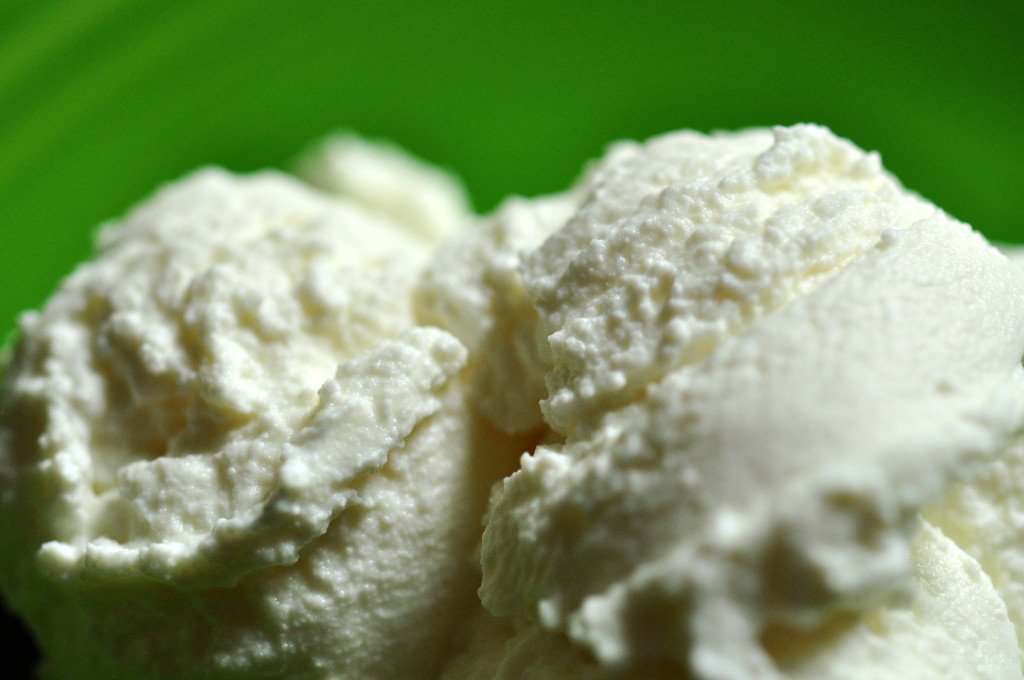
ricotta cheese

Ricotta cheese is mostly thought of as an ingredient in lasagna, but do you know any more about it than that?

The word ricotta means recooked. This comes from the fact that ricotta is made using the whey that is a by-product of the making of other cheeses. Cheeses like the Italian favorite mozzarella. Italians make a lot of cheese and have for years. Disposing of the amount of whey left after an epic session of cheese making was an issue. Out of a problem comes a tasty solution.

The American version adds a bit of milk to the whey to get the wetter, and creamier ricotta you are familiar with at the grocery store. For this reason, some traditional Italian recipes you may suggest straining your cheese so it isn’t as wet. It will be mentioned if needed, but keep it in mind if your dish comes out more running than you anticipated.

DSC_1908

Fun facts

  • Not technically a cheese because there is no starter, bacteria to make cheese, or rennet, an enzyme used to thicken cheese, is used in ricotta making. Because of this ricotta is considered a dairy product instead of a cheese.
  • Due to a short shelf life, some ricotta can be processed further to increase shelf life. Ricotta Salata, a firm salted variety; ricotta infornata, is placed in the oven to give it a brown crust; ricotta affumicata, is put in a smoker for a grey crust and smoke flavor; ricotta forte is all the leftover ricotta fermented for about a year making a pungent spreadable cheese.
  • If you can’t get ricotta for your lasagna you can put cottage cheese in the food processor, drain off excess liquid using cheesecloth, and continue with the recipe.
  • Simple to make at home. All you need is milk, cream, salt, and lemon juice. Try the recipe from Epicurious next time you make lasagna.

DSC_1918

Where you can use Ricotta:

  • lasagna - a spicy italian sausage lasagna
  • gnudi - a ricotta dumpling similar to gnocchi
  • ravioli - honeymoon ravioli filled with all kinds of cheese
  • manicotti - for your next meatless monday
  • cheesecake - lemon ricotta cheesecake
  • cannoli - leave the gun, take the cannoli
  • cookies - citrus basil ricotta cookies

Filed Under: cheese, cheese, how to store, ingredients, recipes Tagged With: cheese, ricotta

how to store and eat: pears

November 18, 2014 by anne Leave a Comment

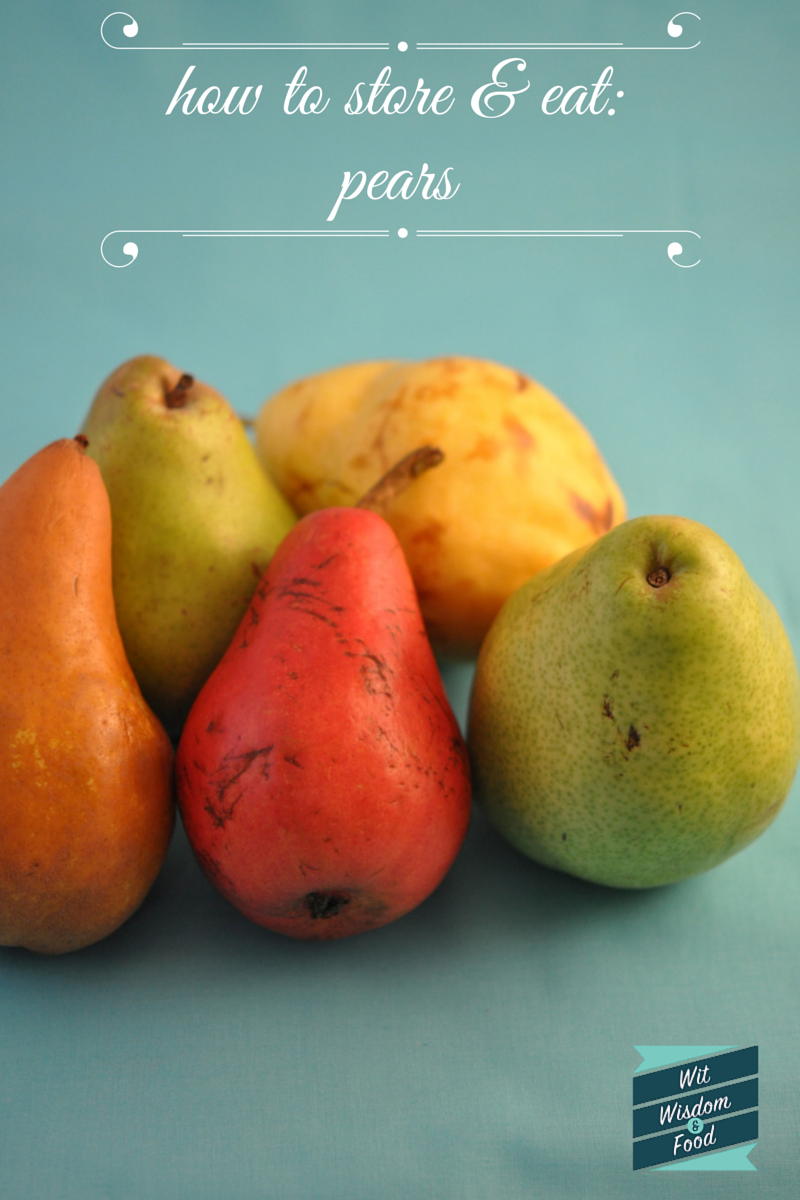
how to store & eat: pearsPears: Pears aren’t that fancy of a fruit. You have probably been eating them since you started on solid food years ago. The tough part is there are so darn many varieties that it can be tough to know which one to buy. A quick run down of some of the more common varieties should help demystify the pear section on your next trip to the grocery store.

Bartlett: This is a pears pear! Like the saying, “he is a mans man”, this pear is the epitome of a pear. When you get canned or jarred pears this is what you are enjoying. When they are a little under ripe they are great for baking and canning. When ripe they, like most pears, bruise easily. However, if you get past the looks you will enjoy a juicy and flavorful piece of fruit.

Green d’Anjou: Is a great baking pear. It has a firm enough texture to hold up to baking without turning to mush.

Red d’Anjou: My personal favorite of the pear varieties. These are sweeter and milder with just a touch of spice to them. They taste perfect in the fall on salads or just as a snack.

Bosc: The odd man out in shape and color he is easy to spot in the grocery store. These are also great pears for baking and poaching. They have a firm texture that makes them your go to for desserts. Their unique woodsy yet sweet flavor also make them well suited for desserts that call for brandy,wine, spices and cheese.

Seckel: This tiny guy comes in bags typically but it is worth picking up because they have an amazing sweet flavor you won’t find in any other pear. I love all things small so their tiny size draws me in immediately. These are a great addition to an after dinner cheese plate or you can roast them to bring out even more flavor.

Season: fall & winter, some varieties start in August and some, like the d’Anjou, are around until May or June.

What to look for when you buy: You want a fruit that is soft to the touch. This means when you push on the sides it has some give but not so much your finger goes through it. I have found pears bruise easier than most fruit so find the one that looks the best and has minimal nicks. Even with some nicks and bruises they will still taste delicious. That red d’anjou pear in the picture was especially tasty.

How to store it: You can purchase rock hard pears and they will ripen on the counter at home. If you need it to ripen faster put it in a brown paper bag with an apple or banana. Apples and bananas release a gas the helps ripen fruit.

Random side note: Don’t store your apples and bananas next to your pretty cut flowers. The gas these fruits release will make your flowers wilt and die faster.

How to prepare it: Cut in wedges or don’t cut it at all and eat it like an apple.

Why is eat it like an apple the common phrase when I can think of a dozen fruits we eat exactly…

Click To Tweet

My favorite way to use it: I like if just sliced and eaten raw as I did in this recipe last week for, Blogsgiving Dinner, Persimmon & Pear salad.

Links to some great pomegranate recipes:

Honeyed Pears in Puff Pastry - This calls for small pears so I think I would probably use Seckel or small-sized d’Anjou
Caramelized Pears - These look delicious paired with ice cream. He used a red pear but I think I might go with the Bosc for a unique flavor
Caramel Dipped Pears - I love a caramel apple and the idea of using a pear never crossed my mind! Now that it has I may need this in my life.

Is there a fruit or vegetable that you want to know more about? Leave a note in the comments and I will try to work it into a future how to store & eat post and link to your blog or mention you.

Filed Under: fruits, how to store, ingredients

how to store and eat: persimmon

November 11, 2014 by anne 9 Comments

how to store & eat persimmon | wit wisdom & food

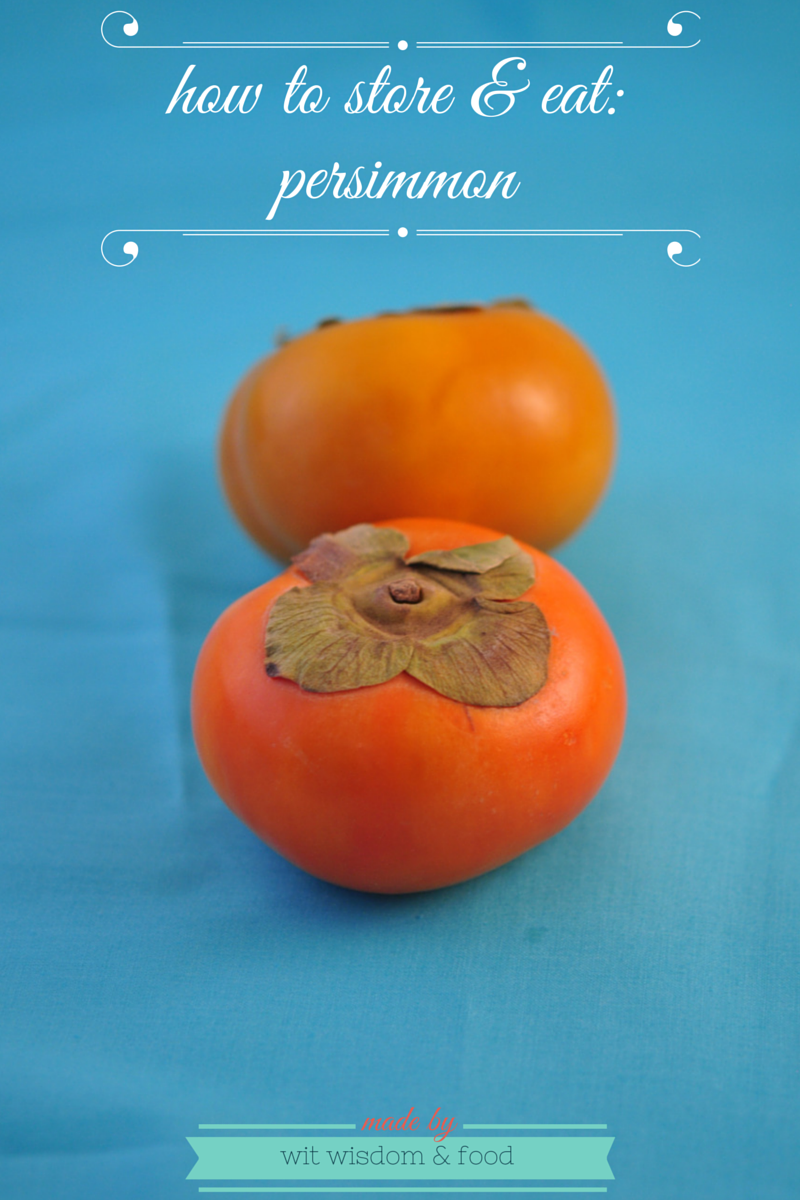
Persimmons: Persimmons, a fruit few have tried, but one that should be in the rotation of every one looking for interesting healthy options in the winter. When you try to eat seasonally the fruit options in the winter get slim. Persimmons can help round out your dose of citrus. Persimmons feel a lot like a tomato but have a sweet taste that I have fallen in love with.

The idea for this series actually starts with the persimmon. Last year a customer asked about receiving a donation every month so she could teach her class about different fruits and vegetables. I was happy to help and thought it was a great idea for adults too. When she picked persimmon I was intrigued since I had never tried one either.

I expected tart or just kind of boring, because how could something so unknown in my world be good? Certainly if it was good I would have already heard about it. I was surprised to find it sweet, juicy and not at all boring.

There are a few varieties of persimmon but the one I am using is Fuyu. The other common variety, Hachiya, can be extremely tart unless it is perfectly ripe and the Fuyu is more forgiving.

Season: fall & winter

What to look for when you buy: You want a shiny smooth fruit free of cracks and bruises. So basically what you would look for in most fruit.

How to store it: You can purchase rock hard persimmon and they will ripen on the counter at home. If you don’t need your ripe fruit you can put it in the fridge for 3 days.

How to prepare it: Cut this beauty in wedges just like you would a tomato, in wedges or don’t cut it at all and eat it like a apple.

My favorite way to use it: I like if just sliced and eaten raw thought it makes a great addition to a salad for its flavor and color. You can try my favorite salad, Persimmon & Pear salad.

Links to some great pomegranate recipes:

Roasted Persimmons Wrapped in Pancetta - roasted and pancetta what more do you need to get you making this? A great paleo recipe
Persimmon Cookies - What?!? I am going to need some of these in my holiday baking this year. The spice combinations looks amazing.
Persimmon Mojitos - I love mojitos because they are easy for me to turn into nonalcoholic versions. The rest of you grab that bottle of rum.

Filed Under: fruits, how to store, ingredients Tagged With: fruit, moijto, persimmon, sweet

how to store & eat: pomegranates

November 4, 2014 by anne 6 Comments

how to store & eat: pomegranate | wit wisdom &food

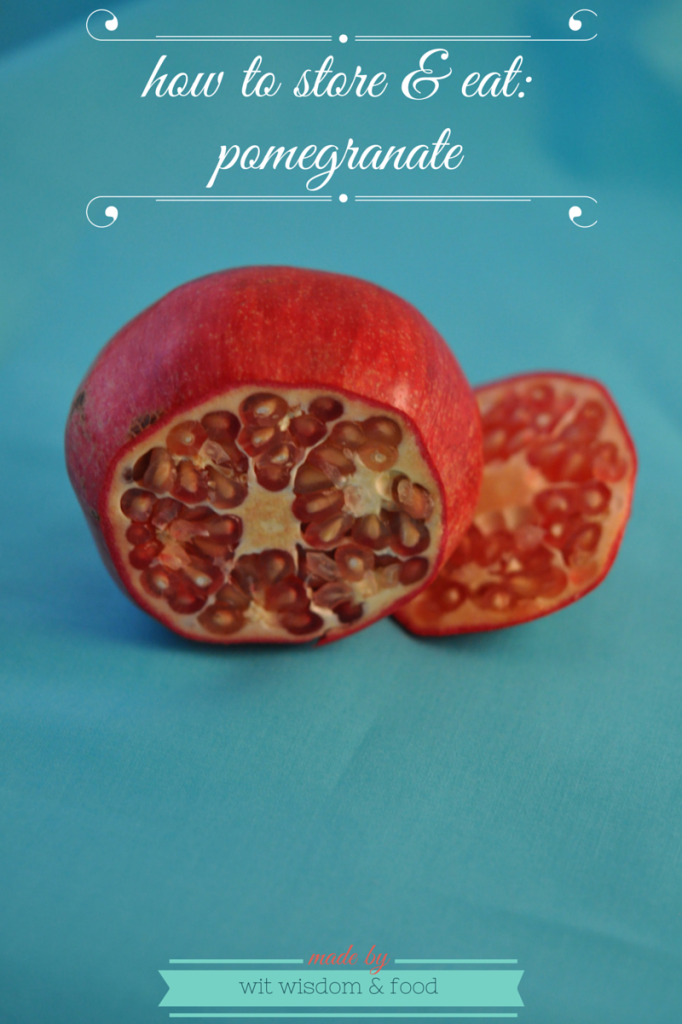
Pomegranate Pomegranates have been popular for years now, because of the high antioxidants levels that are found in the fruit. I found them to be one of the most intimidating fruits on the block. For years people made it sound like it was oh so difficult to get the seeds out of a pomegranate that I always paid more to just buy the seeds. I am here to tell you it isn’t that hard and the trick I found even reduces the risk of staining your clothes.

Season: fall/early winter, September-December

What to look for when you buy: You want to find a fruit that is smooth without puckering or cracks. It should have a deep color, though color isn’t the most important factor. Most important is finding a fruit that is heavy for its size, as it will denote the fruit that is heavy with juice. This, however, always seems like the elusive advice to me.

How do I know if it feels heavy for its size when I have never purchased a pomegranate before? Good question, glad you asked.

You decide if it is heavy for its size by being that person in the store that puts a pomegranate in each hand and decides which is the heaviest. Put back the lightest, pick up a new one and repeat until you feel confident, or people start to stare at you because you have been doing this for 20 minutes. Safe bet after 20 minutes you found the heavy one!

Think of it like going to the eye doctor. When they change the lenses you are looking through and ask you to pick 1 or 2 for which is better. “this one or that one”. Once you get closer to the right one it is harder and harder to tell the difference. That is the sign you got the right fruit for you.

How to store it: Oh the options. Stored on your counter they will last a week. Stored in the fridge they will last up to 4 weeks. Remove the seeds and freeze and you will have seeds for 3 months.

How to prepare it: Fill a bowl with water. Cut the top off the pomegranate as shown in the picture. Then score the skin down the sides in 5-6 spots creating wedges. Submerge the fruit in the water and break the fruit apart along the wedges. Work the seeds out from the membrane. The seeds will skin to the bottom of the bowl and the membrane will float. Skim the membrane off and remove your seeds from the water. No stains and very little fuss.

My favorite way to use it: Throw it on a salad to give your salad extra crunch and texture or add some to a sparkling beverage for a festive drink.

Links to some great pomegranate recipes:

Roasted Brussels Sprouts w/Pomegranate & hazelnuts- sounds like a great Thanksgiving side dish
Cranberry & Pomegranate Bruschetta - This looks so delicious! I wish I had this right now.
Chocolate Pomegranate Tart - This looks like the most decadent and sensual dessert. Perfect for a romantic dinner or to eat all by yourself.

Filed Under: fruits, how to store, ingredients Tagged With: fruit, how to store, pomegranate

how to store & eat: starfruit

October 28, 2014 by anne 4 Comments

how to store and eat: starfruit by wit wisdom & food


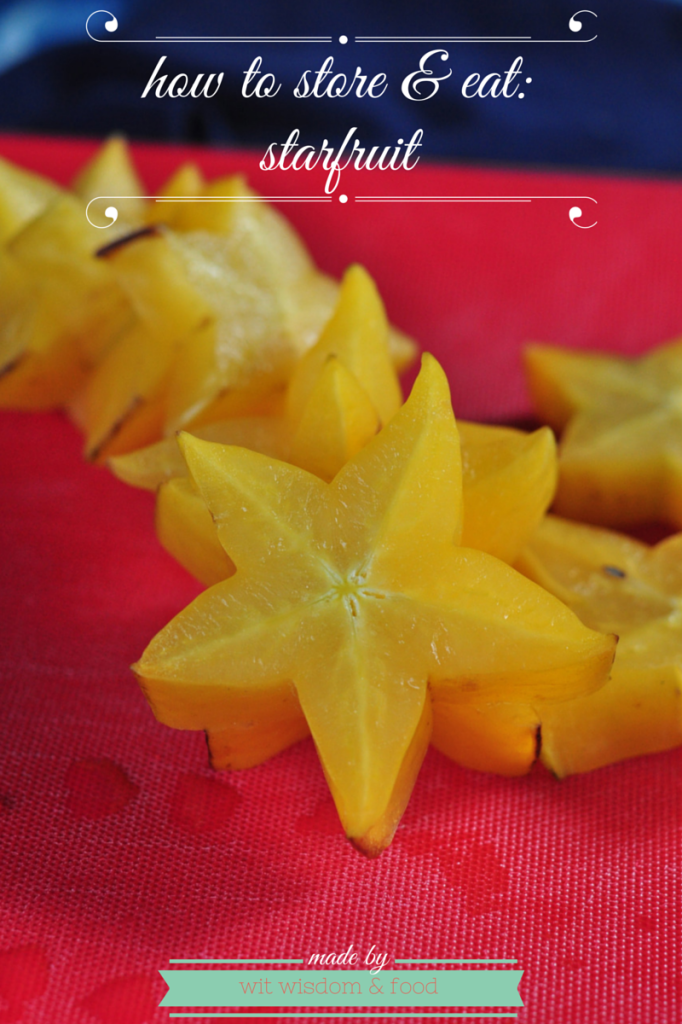
Starfruit Not the most original name for a fruit but descriptive. When I say starfruit you know exactly what I am talking about, chances are that you also have no idea what to do with it. You are good company. Matter of fact, people can’t even agree on the spelling of the fruit, is it starfruit or star fruit? I like one word so that is what I rolled with. Speaking of rolling, I would roll right past this cute little fruit. It had the texture of a grape with a sweetness similar to and apple/pear. Not at all a bad fruit just not that exciting that I would eat it frequently. If I were having a fancy cocktail party, which since I don’t drink probably won’t happen, but if it did I would cut these to spice up the garnish option. Limes are so yesterday you should go with starfruit.

Season: tropical, late spring and late fall

What to look for when you buy: A ripe starfruit will have brown edges at the points like you can see in my picture. The ripe fruit will also have lost most of its green tint and will be a nice pale yellow color. Over ripe starfruit will have brown spots. So it kind of ripens in the same stages as a banana.

How to store it: Store them on the counter at room temperature until they ripen. Once ripe you can store them in the fridge for up to two weeks. You can also freeze them which might come in hand for my fancy cocktail party idea.

How to prepare it: Simply slice the starfruit thin (1/8 inch), remove the seeds with a knife and eat like an apple slice. You can eat the skin and the flesh. I did see a few places mention cutting off the points of the star before you slice it. The fruit in my picture is much too thick you will want it a lot thinner.

How to use it: Throw it in a fruit salad, juice it, use as a garnish in salads or drinks.

Links to some great starfruit recipes:

Starfruit upside down cake- Not unlike a pineapple upside down cake this would just have a little more flare!
Startfruit sangria - It might make a fun holiday drink addition
Starfruit sherbert - If Iron Chef taught you anything it is that all ingredients can become a frozen dessert

Filed Under: fruits, how to store, ingredients Tagged With: cake, cocktails, fruit, parties, sangria, starfruit

how to store & eat: papaya

September 23, 2014 by anne 5 Comments

how to store & eat:papaya | wit wisdom & food

Papaya I don’t eat massive amounts of papaya, actually I usually only eat it when I am in a tropical place, but this one goes out to Melissa, from small company artworks. Melissa has become a big fan of the how to store & eat series and requested info on papaya. Here is what I learned from buying some and some internet research. My favorite fact is you can eat the seeds. I tried it because that is the crazy things I will do for you, my readers. They are indeed peppery and they would make a great addition to a salad.

Season: tropical, all year

What to look for when you buy: A ripe papaya will be turning from its solid green color to yellow. It should be tender when you push with your finger, but not mushy. Papaya will ripen on the counter so you can purchase one and wait a few days to eat it.

How to store it: Store them on the counter at room temperature next to your other tropical fruits.

How to prepare it: couple of options here. If you want slices you can peel the entire fruit with a knife, cut the fruit in half, scoop out seeds and cut in slices. I cut mine in half and then quarters and run my knife between the skin and fruit. This requires a little trimming to get all the peel & you lose more fruit than the first option. It is, however, faster. Third option is to cut in half and use a melon baller to make cute rounds of papaya. I am going for this next time!

How to use it: Throw it in a fruit salad is the only way I have used papaya, so far.

Links to some great papaya recipes:

Maple Roasted Papaya - Seriously, you can roast anything. I am getting a double oven in my new house so I can roast to my heart’s content!
Papaya Salsa - A nice addition to a salsa bar at your next party.
Papaya seed dressing - I am looking forward to trying this on a steak salad over arugula when I need a little summer pick me up this winter.
Chile lime papaya mango snack - A popular way to eat fresh fruit in tropical climates is with a sprinkle of chile powder, a squeeze of lime and a dash of salt. Don’t knock it ’til you try it. It brings out amazing flavor.

Filed Under: fruits, how to store, ingredients, Uncategorized

Next Page »

Thanks for stopping by!

Every eater has a responsibility to make good food choices, learn to cook and pass all that information on to others. I created this blog to do my part and share my knowledge and my stories. If you ever have a question please don't hesitate to ask. Read More…

rss twitter pinterest instagram facebook mail

Signup for ideas on shared meals and connecting with people through food
* = required field

powered by MailChimp!

Subscribe to Blog via Email

Enter your email address to subscribe to this blog and receive notifications of new posts by email.

Help us start our own shared meal traditions

search

Top Posts

  • The Masters of ceremony
  • my favorite Whole 30 foods
    my favorite Whole 30 foods
  • coffee bar done right
    coffee bar done right
  • book club: delicious
  • Chip It with Sherwin-Williams
Legal Disclosures and Privacy Policies
Wayfair Homemakers

Copyright © 2016 · Lifestyle Pro Theme on Genesis Framework · WordPress · Log in